Handmade Carpets Timeless Craftsmanship that Elevates Every Space
Handmade-carpets stand as one of the most cherished and enduring décor elements in interior design. Crafted with skill, patience, and artistic passion, these carpets bring character, warmth, and individuality to any environment. Whether you’re designing a cozy home, a modern workspace, or a boutique commercial setting, handmade-carpets offer a unique blend of luxury and practicality. In this blog, we explore their key advantages, popular applications, essential maintenance tips, and why they remain a top choice across diverse settings — all while highlighting how they compare with vintage-carpets, office-carpets, jute-carpets, and sisal carpets.
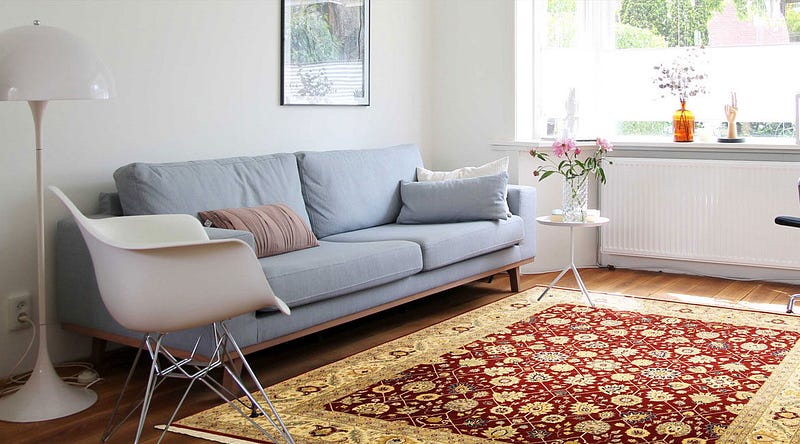
Why Handmade-Carpets Stand Out
The biggest advantage of handmade-carpets is the craftsmanship behind every strand. Unlike machine-made carpets that prioritize speed and mass production, handmade pieces celebrate individuality. Each knot, color combination, and pattern reflects the artisan’s skill and cultural heritage. This ensures that no two carpets are truly alike, making them perfect for homeowners and designers who value authenticity.
Handmade-carpets are also incredibly durable. Because each fiber is carefully woven by hand, they typically last longer and age beautifully, much like vintage-carpets that become more valuable over time. Their intricate construction allows the carpet to maintain its shape, texture, and richness even after years of use.
In terms of design versatility, handmade-carpets come in a wide range of materials — from wool to silk to natural fibers. This flexibility allows them to complement both traditional and contemporary design themes effortlessly.
Advantages of Choosing Handmade-Carpets
Unmatched Durability
Handmade-carpets can withstand heavy foot traffic without losing their charm, making them suitable even in busy settings. This is why they are increasingly selected for areas where durability and elegance must coexist, similar to how office-carpets are chosen for corporate spaces.
Eco-Friendly and Natural Materials
Many handmade-carpets are crafted using sustainable materials such as wool, cotton, or natural fibers. Options like jute-carpets and sisal carpets belong to this category, offering an eco-conscious choice that supports environmental wellness.
Enhanced Aesthetic Appeal
Whether you want something vibrant, classic, minimalist, or bohemian, handmade-carpets offer endless design choices. The patterns are often inspired by regional motifs, cultural stories, or nature.
Long-Term Investment
Handmade carpets, much like vintage-carpets, often increase in value over time due to their craftsmanship and rarity. Many become collectible pieces appreciated for their artistic significance.
Common Applications of Handmade-Carpets
Living Rooms
A handmade carpet acts as a focal point, adding color, texture, and coziness. Whether you’re aiming for a traditional feel or a modern luxury setup, these carpets tie the room together beautifully.
Bedrooms
Soft, comfortable, and warm, handmade carpets enhance comfort underfoot. Natural-fiber styles like jute-carpets create a relaxing, earthy ambiance.
Offices and Commercial Spaces
While commercial settings often use office-carpets, handmade options are increasingly used in executive rooms, reception areas, and boutique hotels to create a strong first impression.
Dining Areas
Handmade-carpets made from dense, durable fibers perform well in dining spaces, adding sophistication while handling frequent movement of chairs.
Hallways and Entrances
Handmade runners add both function and style, making high-traffic areas more visually appealing while protecting floors.
Maintenance Tips for Handmade-Carpets
Proper care ensures your handmade-carpet stays vibrant and fresh for years. Here are some essentials:
Regular Vacuuming
Gentle vacuuming helps remove dust and debris. Avoid using harsh suction or rotating brushes, especially on delicate fibers like silk or natural blends such as those found in sisal carpets.
Rotate Periodically
Changing the carpet’s position every few months ensures even wear and prevents certain areas from fading faster due to sunlight.
Attend to Spills Immediately
Blot — never rub — any liquid spills. Use mild detergents for cleaning and avoid strong chemicals that can damage the fibers of wool or natural materials.
Professional Cleaning
Annual or bi-annual deep cleaning preserves the carpet’s quality. This is especially important for handmade pieces with deep knotting or high-value vintage-carpets.
Avoid Moisture
Natural-fiber carpets such as jute-carpets and sisal carpets are sensitive to moisture. Keep them away from damp environments to prevent mold or weakening of the fibers.
Why Handmade-Carpets Are a Great Choice
Handmade-carpets offer a perfect blend of beauty, durability, eco-friendliness, and artistic expression. Whether you’re upgrading your home décor or furnishing a professional space, these carpets elevate the ambiance instantly. They also complement modern alternatives like office-carpets while providing a more personal, artistic touch.
Their uniqueness and longevity make them a worthwhile investment that continues to enhance any space for years. From earthy jute-carpets to timeless vintage-carpets, handmade designs offer something for every aesthetic preference.


Comments
Post a Comment