Hotel Curtains Enhancing Comfort, Style, and Functionality in Hospitality Spaces
In the hospitality industry, first impressions matter, and interior details play a crucial role in shaping guest experiences. One often-overlooked yet highly impactful element is hotel-curtains. Beyond their decorative appeal, they contribute significantly to comfort, privacy, energy efficiency, and overall ambience. Well-chosen hotel-curtains can elevate a guest room from ordinary to memorable, making them an essential investment for hotels, resorts, serviced apartments, and other hospitality environments.
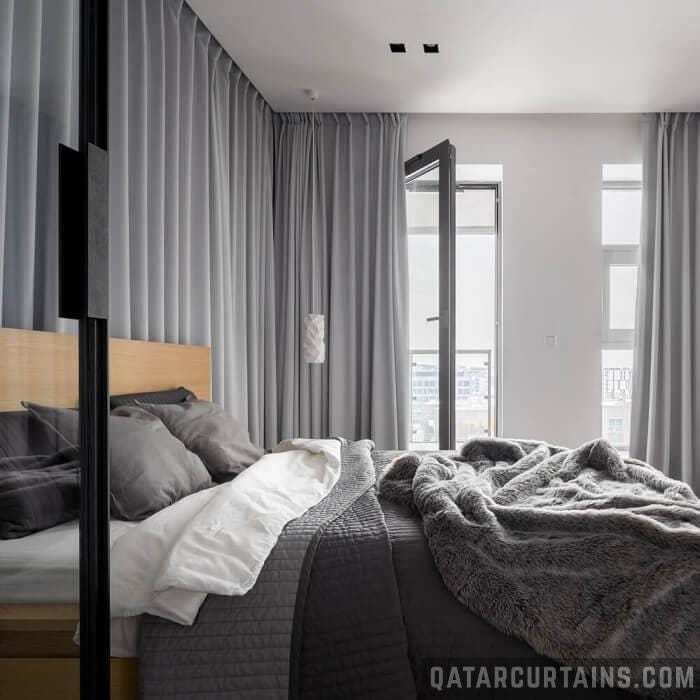
Advantages of Hotel Curtains
One of the biggest advantages of hotel-curtains is their ability to control light and privacy. Guests expect restful sleep regardless of time zones or daylight conditions, and high-quality curtains help block or filter light effectively. This creates a calm and relaxing environment, especially for business travelers and international guests.
Hotel-curtains also contribute to thermal and acoustic insulation. Thick fabrics can help maintain indoor temperatures by reducing heat loss in cooler climates and minimizing heat gain in warmer regions. At the same time, they help dampen outside noise, improving sleep quality and overall comfort.
From an aesthetic perspective, hotel-curtains define the character of a room. Luxurious materials and tailored designs add sophistication and reinforce brand identity. For example, Velvet curtains are often used in premium hotels to convey elegance, richness, and exclusivity. Their heavy texture not only looks refined but also enhances sound and light control.
Common Applications in Hospitality Spaces
Hotel-curtains are not limited to guest rooms. They are widely used across various hospitality settings. In guest rooms, layered curtain systems are common, combining sheer and blackout options for flexibility. Lace curtains are frequently used as inner layers to allow soft daylight while maintaining privacy, especially during daytime hours.
In lobbies and lounges, hotel-curtains add warmth and visual interest. They help define large spaces, reduce echo, and create cozy seating areas. Restaurants and banquet halls also benefit from curtains that complement the interior theme while offering practical benefits such as glare reduction and temperature control.
Conference rooms and event spaces often use modern solutions like Smart curtains, which can be automated and integrated with lighting or room-control systems. These curtains offer convenience, energy efficiency, and a seamless guest experience, especially in tech-forward hotels.
Material Choices and Design Flexibility
The choice of fabric plays a critical role in performance and appearance. Lightweight fabrics like chiffon-curtains are ideal for creating an airy, elegant feel in coastal resorts or boutique hotels. They diffuse light beautifully and enhance the sense of openness in a space.
On the other hand, heavier fabrics are preferred in urban hotels where noise reduction and blackout capabilities are essential. The design flexibility of hotel-curtains allows hoteliers to customize colors, patterns, and textures to align with their brand identity, whether modern, classic, or minimalist.
Maintenance Tips for Long-Lasting Performance
Proper maintenance is key to preserving the appearance and functionality of hotel-curtains. Regular vacuuming with a soft brush attachment helps remove dust and allergens. For deeper cleaning, professional laundering or dry cleaning is recommended, especially for heavy or delicate fabrics.
Hotels should establish a routine inspection schedule to check for wear, fading, or damaged tracks and hooks. Using high-quality hardware and flame-retardant fabrics not only improves safety but also extends the lifespan of the curtains. Rotating curtains periodically can also help ensure even wear and consistent color retention.
Why Hotel Curtains Are a Great Choice for Various Environments
Hotel-curtains are designed to withstand frequent use while maintaining visual appeal, making them suitable for a wide range of environments beyond hotels. Serviced apartments, hospitals, corporate guesthouses, and luxury residences all benefit from their durability, functionality, and design versatility.
Their ability to balance aesthetics with practicality makes Lace curtains a smart long-term investment. They enhance guest comfort, support energy efficiency, and contribute to a cohesive interior design. In competitive hospitality markets, these details can significantly influence guest satisfaction and repeat bookings.
In conclusion, hotel-curtains are far more than decorative accessories. They are functional design elements that impact comfort, privacy, efficiency, and brand perception. By choosing the right materials, styles, and maintenance practices, hospitality spaces can create inviting environments that leave a lasting impression on every guest.


Comments
Post a Comment