Office Carpets The Smart Foundation for Modern Workspaces
In today’s fast-evolving work culture, the design of an office is no longer just about desks and chairs — it’s about creating an environment that supports productivity, comfort, and brand identity. One of the most impactful yet often overlooked elements of office interiors is office-carpets. The right carpet can transform a workspace, balancing aesthetics with functionality while contributing to employee well-being and long-term cost efficiency.
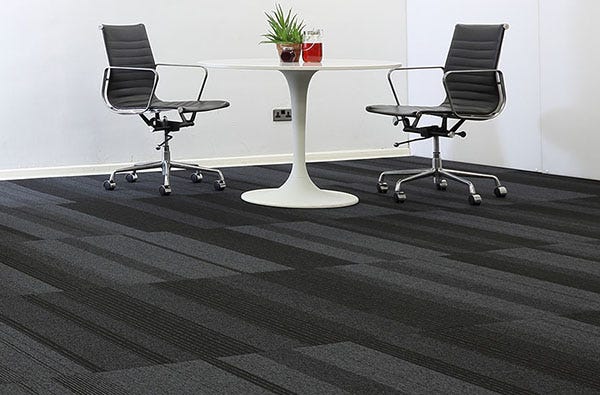
Why Office Carpets Matter
Office carpets play a vital role in shaping how a workspace feels and functions. Unlike hard flooring, carpets provide a softer surface that absorbs sound, making them ideal for busy offices where phone calls, meetings, and collaboration happen simultaneously. Reduced noise levels can significantly improve concentration and reduce stress, especially in open-plan environments.
Additionally, jute-carpets enhance thermal insulation. They help maintain indoor temperatures by retaining warmth during cooler months, which can contribute to energy efficiency. From a visual perspective, carpets allow businesses to reinforce their branding through colors, textures, and patterns that align with corporate identity.
Key Advantages of Office Carpets
One of the biggest advantages of office carpets is comfort. Employees spend long hours on their feet or seated at workstations, and carpeted floors reduce fatigue by providing cushioning underfoot. This subtle comfort can make a noticeable difference in daily productivity.
Safety is another important benefit. Carpets offer slip resistance, reducing the risk of workplace accidents compared to smooth surfaces like tiles or polished concrete. They also help conceal minor imperfections in subfloors, creating a seamless and professional appearance.
Durability has improved dramatically in modern office carpets. Today’s materials are designed to withstand heavy foot traffic while maintaining their appearance over time. Many options are also stain-resistant, making them suitable for high-use areas such as corridors and collaborative zones.
Common Applications Across Work Environments
Office carpets are highly versatile and can be adapted to different areas within a workspace. In executive offices and meeting rooms, plush carpet styles convey sophistication and comfort. In open work areas, low-pile carpets or carpet tiles are popular due to their durability and ease of replacement.
Reception areas benefit from visually striking carpet designs that make a strong first impression on visitors. For offices with multiple levels, staircase-carpets are commonly used to enhance safety while ensuring design continuity throughout the building.
Some organizations also explore natural or specialty materials for specific zones. For example, eco-conscious offices may incorporate jute-carpets or sisal carpets in low-traffic areas to emphasize sustainability and natural aesthetics. While less common, animal-skin-carpets may be used in boutique offices or creative studios to create a bold, distinctive statement.
Maintenance Tips for Long-Lasting Performance
Proper maintenance is essential to preserve the appearance and functionality of office carpets. Regular vacuuming is the most basic yet crucial step, as it removes dust and debris before they settle deep into the fibers. High-traffic areas should be vacuumed more frequently to prevent premature wear.
Spot cleaning spills immediately helps avoid permanent stains. Using manufacturer-recommended cleaning solutions ensures that carpet fibers are not damaged during the process. Periodic professional deep cleaning is also recommended, as it restores freshness and extends the lifespan of the carpet.
Placing entrance mats at doorways can significantly reduce the amount of dirt brought into the office, protecting carpets from excessive soiling. Rotating furniture occasionally can also prevent uneven wear patterns.
A Great Choice for Diverse Environments
Office carpets are not limited to traditional corporate settings. They are widely used in coworking spaces, educational institutions, healthcare administrative areas, and hospitality offices. Their adaptability makes them suitable for environments that require a balance of comfort, durability, and design flexibility.
With advancements in materials and design, sisal carpets now cater to a wide range of needs — from acoustic control and sustainability to luxury and visual impact. Choosing the right carpet solution can enhance employee satisfaction, reinforce brand image, and create a workspace that feels both professional and welcoming.
In conclusion, office carpets are more than just a flooring option; they are a strategic investment in the overall work environment. By carefully selecting and maintaining the right carpet, businesses can create spaces that support productivity, comfort, and long-term value.


Comments
Post a Comment